· 9 min read
What Is Banana Ketchup? An Australian Guide to the Filipino Condiment
Learn what banana ketchup tastes like, how Filipinos use it, its documented history and what Australians should check when buying and serving it.

What is banana ketchup? The short answer
Banana ketchup is a Filipino condiment made around banana, vinegar, sugar and seasonings. Many commercial versions are red and look similar to tomato ketchup, but the banana gives the sauce a sweeter, fruitier base. Depending on the recipe or brand, it can be tangy, gently spiced, savoury, very sweet or mildly hot. It may also be sold as banana sauce or banana catsup.
For Australians asking what banana ketchup is, the simplest comparison is a sweet-tangy table sauce that can do several jobs. It is served as a dip, squeezed over fried or grilled food, stirred into Filipino-style spaghetti sauce and used in barbecue marinades or glazes. It does not taste like mashed dessert banana. Vinegar, salt, aromatics and spices pull the flavour towards the familiar territory of ketchup while leaving a distinct fruity roundness.
There is no single ingredient list shared by every bottle. Some products include tomato ingredients, chilli, soy or different colours and preservatives; others keep the formula simpler. That variation matters for taste, allergies and dietary requirements. Read the actual label each time rather than assuming the word ‘banana’ tells you everything inside.
Why was ketchup made from bananas?
Banana ketchup is closely associated with Philippine food technologist Maria Ylagan Orosa. The Philippines’ National Nutrition Council identifies Orosa as the inventor of banana ketchup and describes her work with the Bureau of Science and Bureau of Plant Industry. Her broader aim was practical self-sufficiency: using local produce, teaching preservation and developing foods suited to Philippine conditions rather than relying entirely on imported products.
The US National Park Service gives useful historical context. It says tomato ketchup became popular in the Philippines after the Spanish–American War but was expensive and difficult to produce locally. In the 1930s, Orosa developed a ketchup using bananas in place of tomatoes. That account is more precise than the popular shorthand that banana ketchup appeared suddenly because of one wartime shortage. Orosa’s food research began before the Second World War, although scarcity and local production made such work especially important during the war years.
Orosa’s contribution should not be reduced to a quirky condiment. Government sources describe her as a chemist, food technologist, educator, humanitarian and wartime heroine. Banana ketchup is one visible part of a much larger body of work on nutrition, preservation and locally available ingredients.
What does banana ketchup taste like?
A typical banana ketchup balances sweetness and acidity with garlic, onion or warm spice notes. Compared with many tomato ketchups, it can taste sweeter and less sharply tomato-like, with a thick, glossy texture. SBS Food describes it as a secret weapon in barbecue marinades and Filipino spaghetti, both applications where sweetness, tang and cling are useful.
The fruit flavour is usually integrated rather than dominant. If you taste a small spoonful on its own, you may notice banana more clearly; beside savoury food, the vinegar and seasoning often lead. Mild bottles are friendly with eggs and fried food, while hot versions add chilli. Individual products differ substantially, so one bottle cannot represent the whole category.
Bright red is common, but banana itself does not naturally produce that colour. Commercial sauces may use permitted food colour to create the visual familiarity of tomato ketchup. FSANZ says additives in most packaged foods must appear in the statement of ingredients by class name and name or number. A red colour is therefore something to understand from the label, not evidence that the sauce must contain tomato.
Banana ketchup versus tomato ketchup
Both sauces occupy similar space at the table: they are sweet, acidic condiments with enough body to coat food. The principal difference is the fruit base. Tomato ketchup builds around tomato solids, while Filipino banana ketchup builds around banana, often with sugar, vinegar and seasonings. Some modern products blend banana and tomato, which is why a strict either-or definition can mislead shoppers.
Banana ketchup is not automatically healthier, lower in sugar or suitable for a particular diet. Nutrition and ingredient profiles depend on the product. Compare the nutrition information panel if sugar or sodium is relevant to you, and use the serving size as a comparison tool rather than turning a condiment into a health claim.
In cooking, the two can sometimes substitute for each other, but the result will change. Banana ketchup generally pushes a sauce towards sweeter, fruitier flavours and may be thicker. Tomato ketchup contributes recognisable tomato acidity. If a recipe depends on Filipino banana ketchup, substituting tomato ketchup can still produce dinner, but it will not recreate the same balance.
How Filipinos use banana ketchup
As a table condiment, banana ketchup suits fried chicken, chips, omelettes, burgers, hotdogs and other savoury snacks. Tortang talong, an eggplant omelette, is a well-known pairing. The sauce’s sweetness is especially useful against browned, salty or smoky foods, while vinegar keeps the finish from feeling flat.
It is also a cooking ingredient. Filipino-style spaghetti often combines a sweet sauce with hotdog pieces and cheese; banana ketchup is one route to that recognisable flavour, though household recipes vary. In Filipino pork barbecue, it can join soy sauce, garlic, sugar, citrus or another souring ingredient in a marinade or glaze. SBS Food’s pork belly skewer recipe includes banana ketchup in that role.
Use it as a finishing glaze only with attention to sugar. Sweet sauces can scorch over fierce heat, so brush them on in the later part of grilling or cook over controlled heat. Marinade that has touched raw meat should not be served as a dipping sauce unless it is cooked safely; the easiest option is to reserve a clean portion before adding the meat.
Make Filipino pork barbecue skewers →Make crisp lumpiang Shanghai →
How to taste it for the first time
Start with a teaspoon beside a familiar savoury food rather than covering the whole plate. Try it with a chip, a piece of grilled pork, fried chicken or an egg. Taste for sweetness first, then acidity, salt, spice and fruit. If the sauce seems intense on its own, it may become more balanced once it meets crisp fat, smoke or a plain starch.
For a simple comparison, place a small amount of banana ketchup and tomato ketchup side by side. Notice colour, aroma, thickness and the point at which sweetness arrives. This is more useful than asking which is objectively better: they solve similar problems with different ingredients and cultural histories.
Avoid presenting the tasting as a novelty challenge. Banana ketchup is an everyday condiment with a documented place in Filipino cooking. Introduce it by name, explain what is in the bottle you are serving and let people choose their portion. That approach is both more respectful and more helpful to guests with dietary needs.
Buying banana ketchup in Australia
Look in Filipino and broader Asian grocery stores, or search for both ‘banana ketchup’ and ‘banana sauce’. Stock, pack sizes and recipes change, so check current availability directly with the retailer. The Hernandez Asian Delights store in Bunbury can be a useful local starting point, but this guide does not promise that a particular brand or bottle is in stock on a given day.
On an Australian retail label, examine the ingredient list, allergen declaration, nutrition information panel, country of origin information, date mark and storage directions. FSANZ explains that ingredients are listed and that characterising ingredients are generally shown as percentages on most packaged foods. This lets shoppers compare how different products build their sauce instead of relying on front-of-pack colour or marketing.
If you are bringing a bottle from overseas, check current biosecurity conditions before travel or ordering. The Australian Department of Agriculture says commercially prepared, packaged, shelf-stable sauces including ketchup may be allowed for personal use when they meet its packaging conditions. Products containing animal-derived ingredients can have additional rules. Declare food when required and use the department’s current guidance rather than assuming a sealed bottle is automatically permitted.
Visit the Hernandez Asian Delights store →Read the Filipino grocery guide for Bunbury →
Allergens and dietary requirements
Banana ketchup is not automatically gluten-free, vegan, soy-free or free from other allergens. A formula may include wheat-containing sauces, soy, sulphites or other ingredients, and manufacturing cross-contact statements vary. FSANZ requires specified allergens to be declared when present, using prescribed plain-English names. Read the label of the bottle actually being served, even if you have bought the same brand before.
For catering, keep the original bottle or a clear record of its label. If sauce is transferred to a jug, the person answering allergy questions still needs accurate product information. Use clean utensils and separate serving containers where cross-contact matters. Never assure a guest that a sauce is safe solely because banana is its main characterising ingredient.
People following a vegetarian, vegan, halal or other value-based diet should also verify certification or the complete ingredient statement where relevant. A familiar recipe can change between product lines and countries. Honest language such as ‘this is the ingredient label for today’s bottle’ is more useful than an unsupported blanket claim.
Storage and safe serving
Follow the manufacturer’s storage directions. An unopened commercial bottle may be shelf-stable, while many products instruct refrigeration after opening. Keep the cap and bottle neck clean, use the date mark and discard the sauce if the packaging is damaged, swollen or leaking, or if the contents show unexpected mould, gas, odour or texture change.
At a barbecue or buffet, decant only a modest amount into a clean bowl and replenish with a clean utensil rather than topping up old sauce. Keep raw-meat brushes, spoons and marinades away from the table condiment. If you make a sauce at home, refrigerate it promptly and use a tested recipe; acidity, sugar and heat treatment affect safety, so a commercial product’s long shelf life cannot be assumed for a homemade version.
Do not pour used dipping sauce back into the bottle. These small habits protect flavour as well as food safety, particularly when many guests share a table.
Serving banana ketchup in Bunbury
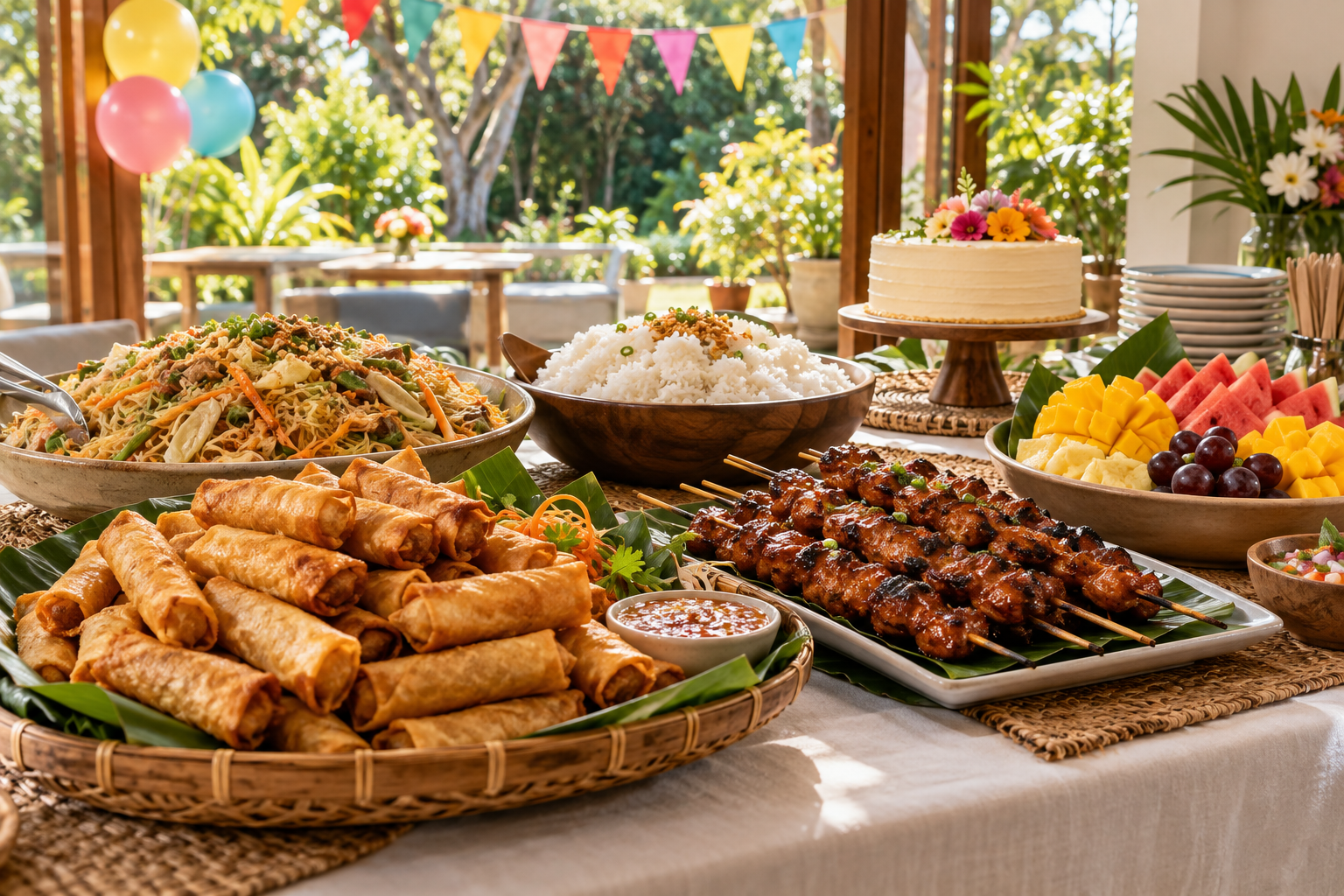
Banana ketchup makes sense alongside a mixed Filipino spread because guests can choose how much sweetness and tang they want. Offer it beside pork barbecue, lumpia, fried chicken or breakfast-style eggs, with a separate spoon or squeeze bottle. Label the sauce by name and retain the product information for allergy questions.
For catered events, decide whether the sauce belongs in the marinade, on the table or both. Mention known allergies when making an enquiry and ask what can be verified for the actual menu. Hernandez Asian Delights can discuss current catering options, while the pork crackle page gives current ordering information for that separate product.
The most useful introduction is simple: banana ketchup is a Filipino condiment with a banana base, a sweet-tangy profile and a history linked to Maria Orosa’s work with local ingredients. Serve it with context, then let the flavour speak for itself.
Enquire about Filipino catering in Bunbury →View the current pork crackle page →Browse more Filipino food and culture guides →
Frequently asked questions
Is banana ketchup made from real bananas?
Yes. Banana is the defining fruit base, commonly combined with vinegar, sugar and seasonings. Commercial formulas vary and some also contain tomato ingredients, chilli, soy, colours or preservatives, so check the bottle’s ingredient list for the exact product.
Does banana ketchup taste strongly of banana?
Usually not in the way a banana dessert does. It tends to taste sweet, tangy and spiced, with a fruitier finish than tomato ketchup. The banana note and sweetness vary between brands and between mild and hot versions.
Why is banana ketchup red?
Banana does not naturally make a bright red sauce. Many commercial products use permitted colour to give the condiment a ketchup-like appearance, while some versions remain brown, yellow-orange or use tomato ingredients. Food colours should appear in the ingredient statement under Australian labelling rules.
What do you eat with banana ketchup?
It can be served with fried chicken, chips, omelettes, grilled meat and lumpia. It is also used in Filipino-style spaghetti and pork barbecue marinades or glazes. Start with a small amount and adjust to the sweetness and spice level of the bottle.
Is banana ketchup gluten-free or vegan?
Not automatically. Recipes and manufacturing practices vary, and a product may contain soy, wheat-derived ingredients or other additives. Read the ingredient and allergen declarations, check any relevant certification and confirm the exact bottle used when ordering catered food.
Keep exploring Filipino food and culture


Taste it in Bunbury
Bring Filipino flavour to your next gathering.
Explore catering from Hernandez Asian Delights or visit Michael and the team at 36 Charles Street, Bunbury.