· 9 min read
What Is Bayanihan? A Guide to Filipino Community Spirit
What is bayanihan? Learn how this Filipino tradition of shared effort works, what the house-carrying image means and how it lives on in Australia.
What is bayanihan? The short answer
Bayanihan is a Filipino idea of people voluntarily working together for a shared purpose, especially when a neighbour or the wider community needs practical help. English phrases such as community spirit, mutual aid, cooperation and collective action all capture part of it, but no single translation carries every association of the Filipino word.
The best-known visual symbol is a group of neighbours carrying a bahay kubo, or light rural house, on bamboo poles so a household can relocate. That image makes the principle easy to see: a task too heavy for one person becomes possible when many people share the load. Today, bayanihan can describe far more than moving a house. It may appear in volunteer work, school preparation, fundraising, disaster relief, food support or the quiet exchange of time and skills.
Bayanihan should be understood as a living cultural value rather than a rule that every Filipino follows in the same way. The Philippines contains many languages, regions and communities, and people experience cooperation differently. A respectful explanation describes a widely recognised ideal without treating Filipinos as one uniform group or expecting free labour from someone because of their background.
Explore 12 questions Australians ask about Philippine culture →Learn what a Filipino fiesta is →
What does the word bayanihan mean?
The word is associated with bayan, a Filipino term that can refer to a town, community, people or nation depending on context. Bayanihan therefore carries the sense of acting together as a community. Official Philippine sources commonly explain it through communal unity, cooperation, collective effort and helping without expecting a reward.
That combination matters. Cooperation can be arranged through a workplace contract or government service, while bayanihan usually points to a social willingness to contribute for the common good. The contribution need not be money or physical strength. A person may cook, organise transport, translate information, lend equipment, share professional knowledge, check on an isolated neighbour or connect someone with a service.
The Philippine Volunteer Act of 2007 gives the term formal recognition. The law says that strengthening volunteerism can rekindle the time-honoured tradition of bayanihan and foster social justice, solidarity and sustainable development. The law does not define every cultural use of the word, but it shows that bayanihan is not merely a nostalgic slogan: Philippine public policy also links it to organised civic participation.
Why is bayanihan shown as people carrying a house?
The familiar image shows neighbours lifting a bahay kubo together on long bamboo poles. It is a powerful illustration because the physical arrangement makes mutual dependence visible: each person takes a position, the group coordinates its pace and no individual can safely carry the entire structure. The scene has become a national shorthand for unity and shared effort.
Australian readers should treat it as an emblem, not a claim that houses are routinely moved this way across the modern Philippines. Buildings, settlements and livelihoods have changed, and the country is highly diverse. The image can introduce the principle, but it should not freeze Filipino culture in a timeless rural past or become a costume-like recreation detached from real communities.
Department of Education research on Brigada Eskwela—also known as Bayanihan Para sa Paaralan—explicitly connects the traditional house-carrying image with contemporary volunteers cleaning, painting and repairing public schools. That evolution is a useful guide to the word itself. The form of the work changes, while coordinated contribution towards a practical communal need remains central.
What bayanihan looks like today
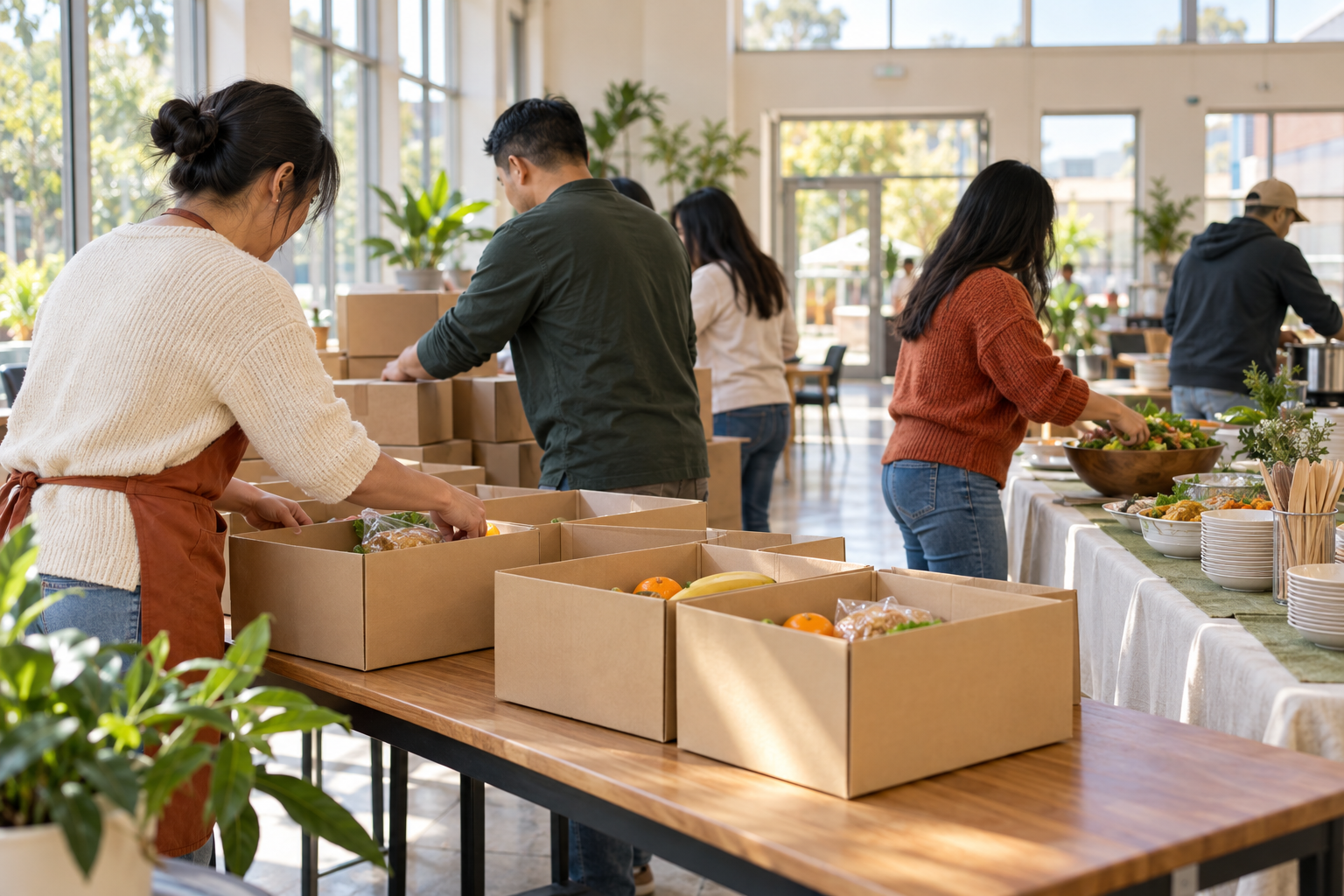
Modern bayanihan can be informal. Relatives and neighbours may prepare food for a funeral, help a family after illness, organise a lift, supervise children or contribute to a community fundraiser. It can also be structured through schools, local organisations, volunteer programs and professional networks. The activity matters less than the combination of shared purpose, participation and care.
Crisis response is one visible setting. Philippine government agencies have used bayanihan to describe volunteer-driven relief, community food support and the coordination of resources after typhoons and during the COVID-19 pandemic. Those examples demonstrate real solidarity, but bayanihan is not limited to emergencies. Communities are also built through ordinary, repeated work that rarely attracts public attention.
In 2025, the Philippine News Agency described the concept as communal unity and collective action in which people voluntarily come together to help others and pursue a common goal. The national volunteer agency also uses Bayanihan in programs that recognise responsible media support for volunteerism. These current uses show a flexible idea applied to civic action, not a single ceremony with a fixed script.
Bayanihan, volunteering and mutual aid: are they the same?
They overlap, but the words emphasise different things. Volunteering often describes freely given time or skills through an organisation. Mutual aid highlights reciprocal support among people facing a shared need. Bayanihan may include either form, while carrying Filipino cultural associations with community, solidarity and collective responsibility.
A formal roster at a community centre can express bayanihan, as can a spontaneous meal train among neighbours. Conversely, simply placing a Filipino name on an activity does not guarantee that it is inclusive or helpful. Good intentions still need consent, safe organisation, clear responsibilities and respect for the people receiving support.
It is also important not to romanticise unpaid work. Bayanihan should never be used to pressure staff, migrants, relatives or community leaders to provide endless labour without resources or recognition. Voluntary contribution is different from an expectation that someone must solve a problem because they are generous, Filipino or already active in the community. Sustainable cooperation shares both the task and the decision-making.
How bayanihan travels with Filipino communities abroad
Bayanihan is not confined to the Philippine archipelago. The Commission on Filipinos Overseas describes a transnational form in which diaspora networks contribute knowledge, trade connections, investment and civic engagement as well as remittances. That official study uses the term for cooperation that crosses borders and links overseas communities with people and institutions in the Philippines.
In Australia, a Philippine Embassy forum held on 24 November 2021 recorded community leaders’ accounts of support for international students, stranded seafarers and others affected by pandemic restrictions. The Embassy called those efforts stories of bayanihan. The example is specific and documented; it should not be generalised into a claim that every Filipino-Australian organisation works identically.
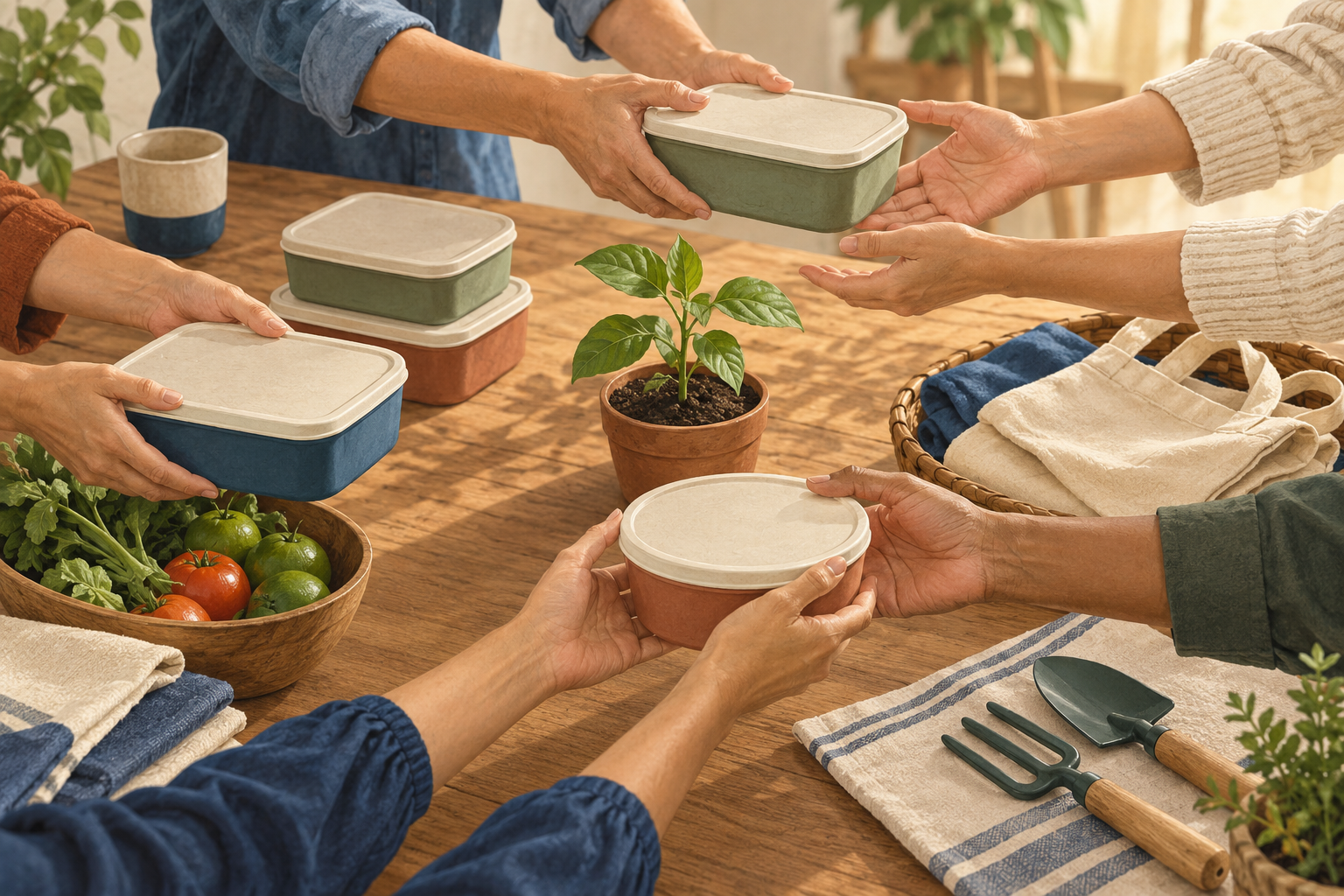
The Embassy’s Filipino community directory also records groups that use bayanihan to describe charitable work, cultural performance and community engagement. In practice, overseas community spirit may involve welcoming new arrivals, sharing reliable service information, teaching language or dance, organising celebrations, fundraising or supporting people during hardship. Culture is sustained through both practical help and opportunities to gather.
Read why Filipinos may celebrate Christmas early →Discover the role of rice in Filipino culture →
How Australians can take part respectfully
Begin by listening for the actual need. Ask organisers what would be useful, what skills are missing and who is already responsible. A practical offer—driving two people, bringing labelled food, setting up tables for an hour or sharing verified information—is easier to coordinate than a broad promise to do anything. Follow local safeguarding, food-safety and fundraising requirements where they apply.
Participate alongside the community rather than treating bayanihan as a performance to observe. Learn names, arrive when agreed, complete the unglamorous work and accept direction from the people closest to the task. If an event is public, pay fairly for food or tickets unless organisers clearly say otherwise. Supporting a Filipino-owned business or community fundraiser can be valuable, but it does not make anyone an authority on Filipino culture.
Credit matters. When sharing photographs or stories, obtain permission and avoid turning recipients into symbols of hardship. Do not copy a charity appeal, use a community group’s name or collect money without authorisation. Respectful cooperation strengthens existing relationships and capability; it does not take control away from the people the activity is meant to support.
The place of food in community effort
Food often supports communal work because volunteers and guests need to be welcomed, sustained and thanked. Preparing a shared meal may itself require a small team: someone plans, others shop and cook, another person labels allergens, and several people serve and clean. The meal becomes part of the cooperation rather than proof that one particular dish represents bayanihan.
Filipino gatherings vary enormously. A table might include pancit, adobo, rice, lumpia, grilled food, fruit or sweets, but no menu is compulsory. Kamayan, fiesta and merienda are related cultural topics with their own contexts; they should not be treated as interchangeable words for bayanihan. One describes collective community spirit, while the others refer to ways of eating, celebration or snack time.
For an Australian community event, agree on quantities, service times and dietary communication before cooking. Label known allergens, provide clean serving utensils and confirm what the venue permits. If professional catering is involved, tell the caterer about the guest count, facilities and dietary needs rather than assuming a shared cultural background answers those operational questions.
Read the respectful guide to a kamayan feast →Learn what merienda means →Plan a Filipino catering menu in Bunbury →
Bayanihan in Bunbury and the South West
For people in Bunbury and the South West, bayanihan can be understood through local-scale action: helping set up a multicultural gathering, sharing transport, checking on a new family, volunteering through a recognised organisation or supporting a community-led appeal. The label is less important than whether the effort responds to a real request and distributes the work fairly.
Hernandez Asian Delights is a local point of connection through Filipino groceries, prepared food and catering. Visiting the store can begin a conversation about ingredients and celebrations, but stock, services and event availability should always be confirmed directly. For a private party or workplace gathering, Hernandez can discuss current catering options and tailor a quote to the date and guest requirements.
A shared menu may include familiar dishes or a separate order of Hernandez pork crackle where it suits the occasion; neither is required to practise bayanihan. The cultural principle lies in how people contribute and care for one another, not in buying a product. Food can make collaboration warmer and more social, but it should serve the gathering rather than replace the work of building relationships.
Explore Hernandez catering experiences →Request a tailored catering quote →Visit the Hernandez Asian grocery store →View Hernandez pork crackle →
A useful way to remember bayanihan
Remember the shared load rather than only the house. Bayanihan asks what becomes possible when people coordinate their effort for a common good. Sometimes the load is physical; at other times it is financial, emotional, organisational or informational. Different people can contribute different strengths without pretending those contributions are identical.
The idea also carries responsibilities. Help should be wanted, organised and safe. The people affected should have a voice in defining the need. Contributors should not be exploited, and public storytelling should preserve dignity. These principles keep a warm cultural ideal connected to effective practice.
For Australians learning about Filipino culture, bayanihan offers an invitation to notice community work that is often invisible. Understand the iconic image, then look beyond it—to volunteers preparing a school, neighbours sharing meals, diaspora organisations connecting people and ordinary friends turning up when promised. That is how a historical symbol remains meaningful in contemporary life.
Frequently asked questions
What does bayanihan mean in English?
Bayanihan is commonly explained as community spirit, communal unity, cooperation or collective action for a shared good. Those translations are useful, but the Filipino word also carries cultural associations with voluntary help and people sharing a load.
Is bayanihan only about carrying a house?
No. Neighbours carrying a bahay kubo is the best-known symbol, not the only practice. Bayanihan can describe volunteer work, school preparation, relief efforts, food support, fundraising and many everyday forms of coordinated help.
Is bayanihan still practised today?
Yes. Philippine government, education, volunteer and diaspora sources continue to use the term for contemporary collective action. The forms change with the need, from organised volunteering to informal support among neighbours and community networks.
Is bayanihan the same as volunteering?
They overlap, but they are not exact synonyms. Volunteering often describes freely given service, while bayanihan emphasises shared community effort and solidarity in a Filipino cultural context. Mutual aid and neighbourly cooperation can also express bayanihan.
Can non-Filipinos join in bayanihan?
Yes, when participation is welcomed. Ask what is needed, follow community leadership, contribute reliably, respect consent and avoid treating the activity as a cultural performance. The strongest help supports rather than displaces the people already doing the work.
Keep exploring Filipino food and culture



Taste it in Bunbury
Bring Filipino flavour to your next gathering.
Explore catering from Hernandez Asian Delights or visit Michael and the team at 36 Charles Street, Bunbury.