· 9 min read
What Is Bagoong? An Australian Guide to Filipino Fermented Seafood Paste
What is bagoong? Learn how Filipino fish and shrimp pastes differ, how they are used, what Australians should check on labels and how to taste them respectfully.
What is bagoong? The short answer
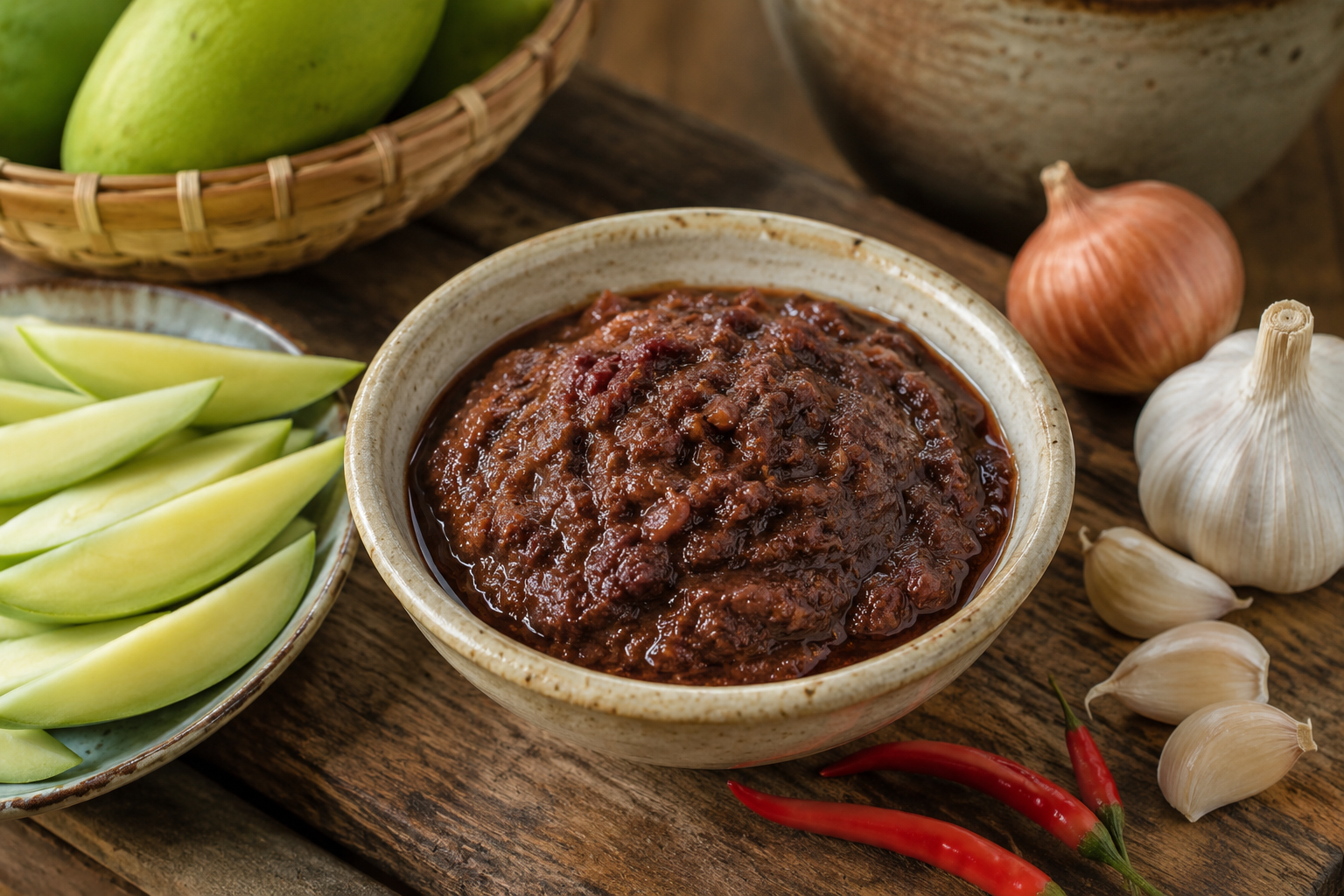
Bagoong is a Filipino family of salty fermented seafood condiments. Some versions are made from small fish; others use tiny shrimp or krill. The seafood is mixed with salt and allowed to ferment, producing a concentrated paste or semi-liquid seasoning with a strong aroma and deep savoury flavour. It may be cooked into a dish, sauteed before serving or offered in a small bowl as a condiment.
The most important point is that bagoong is not one universal product. Bagoong alamang generally refers to the shrimp-based form, while bagoong isda refers broadly to fish-based versions. Names, species, texture, colour, fermentation time and preparation vary by region and maker. A sweet sauteed jar from one producer can taste very different from an uncooked salted paste or an Ilocano fish bagoong.
For a first taste, treat bagoong as a seasoning rather than a spread. Read the label, identify whether it contains crustacean or fish, follow its cooking and storage directions and begin sparingly. Its role is to add saltiness, aroma and savoury depth, not to make every dish taste the same.
Start with the beginner’s guide to Filipino food →Build a Filipino pantry in Bunbury →
Bagoong is a category, not a single recipe
English translations such as ‘shrimp paste’ can be useful, but they can also hide Filipino variety. Research on Philippine sawsawan, or condiments, identifies bagoong made from fermented shrimp or fish across the archipelago and records multiple regional names and forms. Ilocos, Batangas, the Visayas, Mindanao and other places have their own products, methods and food pairings. Family preferences add another layer.
Bagoong alamang is the form many Australians are most likely to recognise in a jar. Alamang refers to the tiny shrimp or shrimp-like raw material used for the paste. It can be sold as a plain salted fermented product or as ginisang bagoong: a sauteed preparation that may contain sugar, aromatics, chilli, oil or other ingredients. The word ‘sauteed’ matters because the two products are not automatically interchangeable spoon for spoon.
Bagoong isda uses fish rather than shrimp. Depending on region, the fish may be identified more specifically and the condiment may be thicker, looser or more visibly textured. The National Research Council’s account of fermented fish products in the Philippines describes fish paste as a mixture of fish and salt that changes during fermentation. It also explains the close relationship between fermented paste and patis, the clearer fish sauce that can be drawn from a matured mixture.
How fermentation changes fish or shrimp
Traditional bagoong production relies on salt and time. In fermented fish paste, enzymes and microorganisms break down the seafood’s proteins and other components. Research summarised by the National Research Council describes protein becoming more soluble and flavour and aroma compounds developing as fermentation proceeds. The result is not simply raw seafood blended with salt; it is a transformed ingredient.
That transformation helps explain bagoong’s intensity. A small spoon can influence a whole pan because the paste carries concentrated saltiness and savoury character. Colour is not a dependable guide to quality because seafood species, processing and added ingredients all vary. This article explains commercial products; it is not a guide to fermenting seafood at home.
What does bagoong taste like?
Bagoong is usually salty, savoury and distinctly marine, with an aroma that can seem powerful if you did not grow up with fermented seafood. Shrimp-based and fish-based versions are not identical, and a sauteed product may also taste sweet, spicy, garlicky or mellow depending on its ingredient list. Texture can range from fine paste to a mixture where pieces of seafood remain visible.
Its culinary purpose is balance. Bagoong can provide a salty counterpoint to sour green mango, enrich mild vegetables, season rice or support a sauce containing meat. The academic review of Philippine condiments found bagoong used with dishes, snacks, street foods and fruit, showing why it cannot be reduced to one famous pairing.
If the first taste feels intense, use less rather than diluting an entire jar or declaring the ingredient unpleasant. Place a tiny amount beside the food, taste it with rice or fruit and notice how the combination changes. Filipino condiments are often adjustable at the table, allowing people to season their own portion instead of forcing one level of salt or heat on everyone.
Bagoong alamang, bagoong isda and patis are different
Bagoong alamang is shrimp based; bagoong isda is fish based; patis is a liquid fish sauce. They share fermented seafood foundations, but their texture, intensity and use differ. A recipe asking for shrimp paste is not necessarily requesting fish sauce, and replacing a thick condiment with liquid can change both seasoning and moisture.
Other Southeast Asian cuisines also make fermented shrimp and fish condiments. Belacan, terasi, kapi, mam tom and related products may share broad characteristics, but they can differ in raw material, moisture, pressing, drying and cooking method. Follow a tested recipe instead of assuming every ‘shrimp paste’ behaves identically.
How bagoong is used in Filipino food
One familiar use is as a condiment for green mango. The fruit’s sharp sourness meets the paste’s salt and savoury depth, sometimes with sweetness or chilli from a prepared bagoong. Use a small separate bowl so each person controls the amount. Never assume a shared dip is suitable for someone with a seafood allergy.
Bagoong also appears with vegetables and in cooked dishes. It can be sauteed with garlic, onion or tomato, stirred through vegetable preparations, served alongside kare-kare, or used in binagoongan, where the condiment seasons a meat-based dish. Recipes and household methods vary, so the correct quantity and stage of cooking should come from the particular recipe and the type of bagoong purchased.
At a mixed Australian table, offer bagoong as an optional component and explain what it contains. Rice, mild vegetables, grilled food and sour fruit make approachable partners. If crisp pork is part of a gathering, a separate bagoong-based condiment can create a strong sweet-salty contrast, but the pork and condiment should remain clearly labelled so guests can choose safely.
Learn why rice matters in Filipino culture →Explore Hernandez pork crackle →
A simple way to taste bagoong for the first time
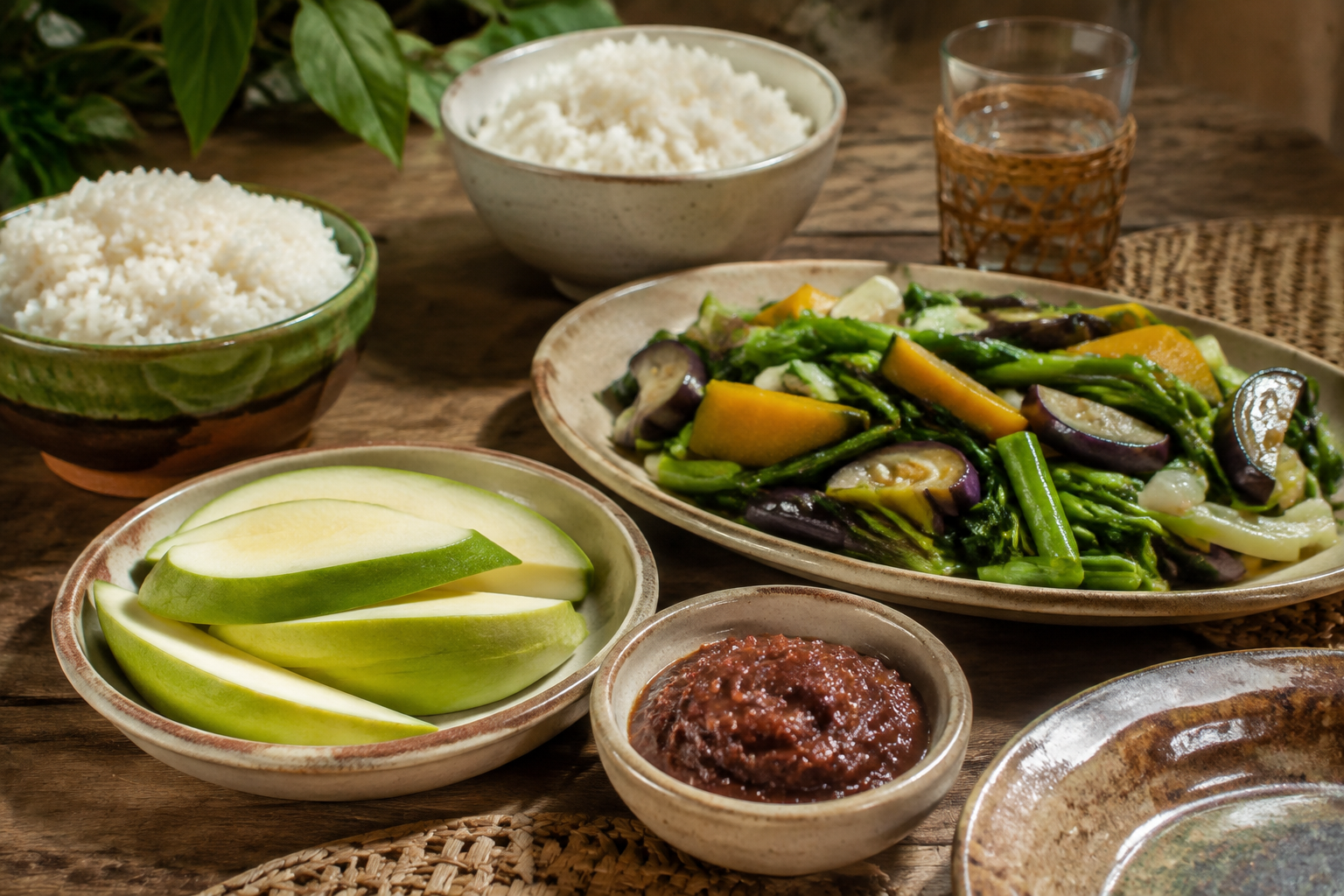
Choose a commercially prepared jar with an English ingredient list and clear storage directions. First confirm whether it contains crustacean or fish and whether it is ready to eat. Put steamed rice, sliced green mango or lightly cooked vegetables on separate plates. Spoon only a quarter-teaspoon of the condiment into a small dish; do not mix it through the whole meal.
Taste the plain food first, then add a tiny dab of bagoong. With green mango, notice how salt softens the perception of sharpness. With rice or vegetables, notice the added savoury depth. If the product is sweetened or spicy, compare that flavour with the original food as well. Add more only after tasting.
This is a tasting method, not a claim that one brand or preparation represents the Philippines. A fish bagoong may taste and behave differently from a sauteed shrimp paste. If a Filipino friend or family member introduces a preferred pairing, follow their lead and ask which region or family tradition it comes from.
Seafood allergies: the label matters
Bagoong is not vegetarian or vegan, and seafood allergy information is essential. Under Australia’s plain-English allergen labelling requirements, fish and crustacean are separate required names. Shrimp and prawns are crustaceans, while fish-based bagoong must declare fish. A person allergic to one category should not assume the other is safe without appropriate medical advice and complete product information.
Prepared bagoong can contain more than seafood and salt. Depending on the product, added ingredients may include sugar, chilli, oil, garlic, onion, soy or other seasonings. Read the full ingredient list and the bold ‘Contains’ statement every time, including when changing brands. Food supplied without a package, such as at a takeaway, must have allergen information displayed or provided on request under the Food Standards Code.
Cross-contact also matters in a shared kitchen. Use a clean spoon, do not return a utensil that has touched other food to the jar and keep the condiment separate from dishes intended for guests with allergies. For catering, tell the business about allergies before the menu is confirmed; describing a preference at the table is too late for safe planning.
Salt, serving size and storage
Salt is fundamental to traditional bagoong, so use it as a concentrated seasoning. Sodium varies between products and prepared styles; the Nutrition Information Panel is the reliable comparison. Food Standards Australia New Zealand recommends comparing sodium per 100 grams across similar products when lower sodium intake is a concern. Add bagoong first, taste, then decide whether a dish needs any extra salt.
Do not copy a universal storage time from a recipe blog. Some products are shelf-stable before opening, while others require refrigeration, and instructions after opening may differ. Follow the jar’s directions, observe its use-by or best-before date and keep the lid and rim clean. Discard a product if its packaging is swollen, leaking, broken or otherwise compromised.
Serving bagoong from a separate bowl can be practical as well as hospitable. It protects the main dish from over-seasoning, reduces repeated handling of the jar and lets each guest decide how much to use. Return the product to its required storage promptly rather than leaving it on a warm buffet for hours.
Buying bagoong in Australia
In an Australian shop, begin with the product description: fermented shrimp paste, sauteed shrimp paste, fish paste or another clearly named style. Compare the seafood type, ingredient list, allergen statement, sodium panel, country of origin information and directions for use. A familiar-looking colour or Filipino script on the front is not enough to identify what is inside.
Foods imported for sale in Australia must comply with the Australia New Zealand Food Standards Code as well as biosecurity requirements. Buying from an established Australian retailer gives you a labelled product within that regulatory system. Stock changes, however, so contact the shop before travelling for one exact type or brand.
Bringing food from overseas is a different process. Australian biosecurity conditions depend on the ingredients, processing, packaging and intended use, and they can change. Check the exact product in the Australian Government’s BICON system before travel or mailing, and declare goods when required. Do not assume a fish-paste rule automatically covers shrimp paste or a mixture containing meat.
Visit the Hernandez store in Bunbury →Read the Bunbury Filipino pantry guide →
Using bagoong for a Bunbury gathering
For a family meal or catered event, decide whether bagoong is an ingredient in a dish or a condiment offered separately. That distinction affects allergen communication and how guests experience the menu. A small labelled bowl beside green mango or vegetables is easy to understand; a sauce mixed through a dish must be identified before anyone serves themselves.
When requesting Filipino catering, describe the guest count, service style, preferred dishes and every known allergy. Ask what type of bagoong is used and whether the final recipe contains other declarable allergens. Hernandez Asian Delights can confirm current menu options and availability for a particular date; this guide does not promise that any exact dish or grocery product is always stocked.
Hernandez Asian Delights is at 36 Charles Street, Bunbury, and the contact number is 08 9768 0755. If you are curious about bagoong, ask Michael and the team what is currently available and how that particular product is intended to be used. A label-specific answer is more useful than a generic rule.
Explore Filipino catering packages →Request a tailored catering quote →Plan a Filipino catering menu in Bunbury →
Frequently asked questions
Is bagoong fish paste or shrimp paste?
It can be either. Bagoong is a broad Filipino category. Bagoong alamang is made from tiny shrimp or krill, while bagoong isda is made from fish. Check the product name and allergen statement rather than assuming from colour or texture.
Does bagoong need to be cooked?
That depends on the product. Some jars contain plain fermented paste intended for cooking; others are sauteed or labelled ready to eat. Follow the manufacturer’s directions and the specific recipe you are using.
What do Filipinos eat with bagoong?
Pairings vary by region and household. Common examples include green mango, vegetables, rice, kare-kare and dishes seasoned with shrimp or fish paste. It can be served separately or cooked into food.
Is bagoong safe for someone with a shellfish allergy?
Shrimp-based bagoong contains crustacean and is not safe for a person with a crustacean allergy. Fish-based products contain fish, a separate declarable allergen. Prepared products may contain additional allergens, so check the full label and seek medical guidance for individual allergy questions.
Where can I buy bagoong in Bunbury?
Filipino and Asian grocery retailers may carry it, but styles and stock change. Contact Hernandez Asian Delights at 36 Charles Street, Bunbury, on 08 9768 0755 to ask what is currently available before travelling for a specific product.
Keep exploring Filipino food and culture



Taste it in Bunbury
Bring Filipino flavour to your next gathering.
Explore catering from Hernandez Asian Delights or visit Michael and the team at 36 Charles Street, Bunbury.